BETWEEN HERE + THERE
The middle is the work.
A goal can be clear and the path can still get messy. Behavior gives us information. Communication shapes what people understand. Relationships affect how people move together. Systems influence what people can actually do.
Behavior
What is it telling you?
Look beyond the first assumption.
Relationships
How are people functioning together?
Trust, expectations, support, and conflict all matter.
Communication
What is being said, heard, assumed, or left unclear?
Clarity shapes response.
Systems
What is shaping what people can actually do?
Roles, routines, expectations, and support influence outcomes.
That is what lives between the goal and the outcome.
Transform Mindset

Build on what you know, rethink what no longer fits, and consider what else may be possible

Leverage Love
Pursue the goal without losing the people in the process.

How we move through the middle.

Champion Conflict
Engage the tension, hard conversation, or necessary change without treating conflict like proof that something has gone wrong.
THE PATHWAY
Communication keeps breaking down.
Participation is inconsistent.
People keep needing reminders or follow-up.
Support is in place, but progress is not showing up.
Programs are active, but the impact is hard to see.
Systems work only because someone keeps carrying them.
The same issues keep resurfacing.
OUTCOMES & PROOF
When the middle gets clearer, the outcomes get stronger.
The same way of thinking has produced strong outcomes across leadership, student development, operations, systems, and organizational work.
THE MIDDLE CAN LOOK LIKE:
REAL RESULTS THROUGH THE WORK
$4M+
FEDERAL FUNDING SECURED / PROTECTED
100%
GRADUATION
100%
COLLEGE & UNIVERSITY ACCEPTANCE
$10M+
SCHOLARSHIPS EARNED
3 days → 45 minutes
AUDIT PROCESS REDUCED
Measured outcomes from Dr. Tawana Wiggins’ leadership, systems, student-development, and operational work.
Not just something to think about.
Something that changes how we move.

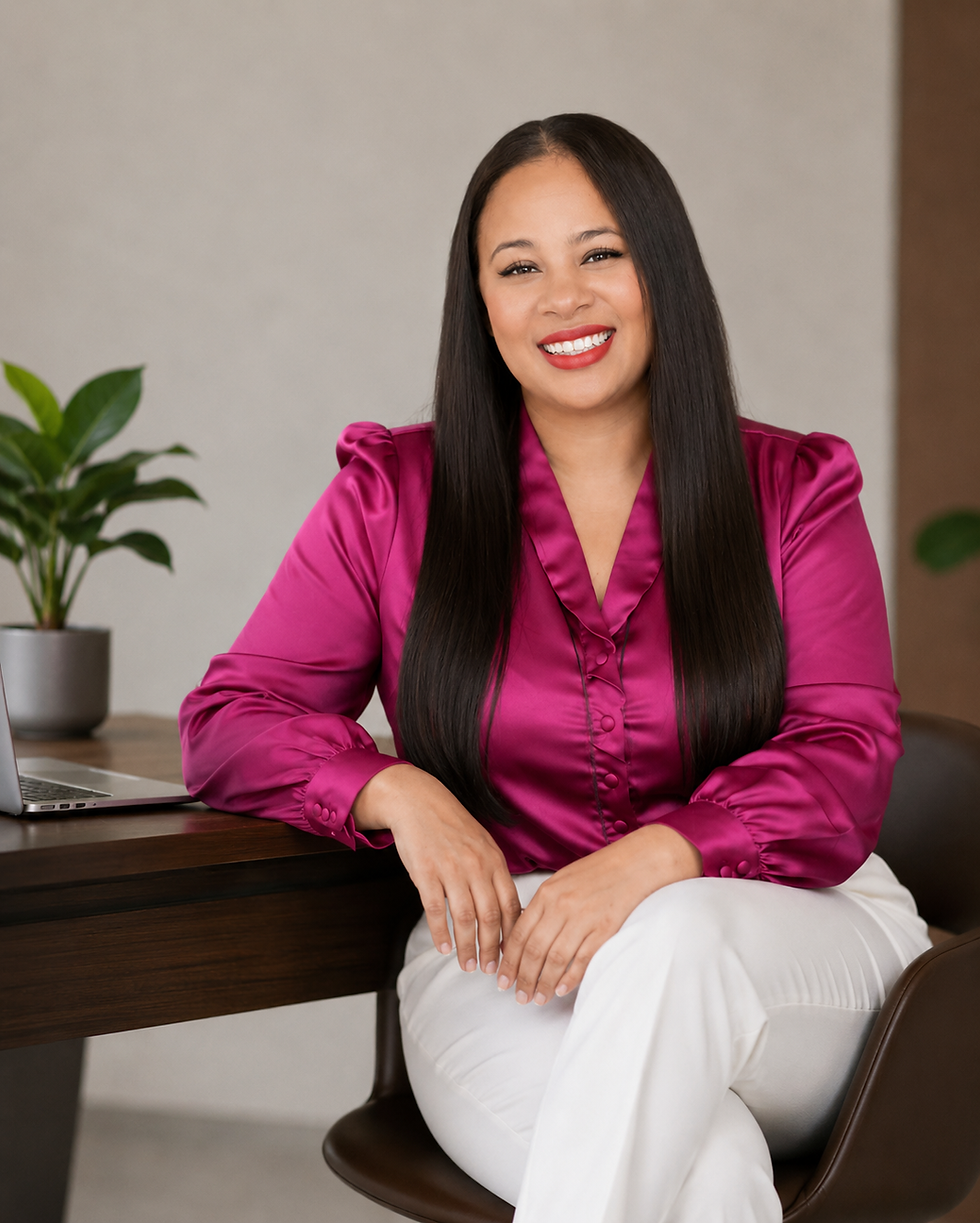
From classrooms to conferences, Dr. Tawana creates moments that strengthen how people communicate, relate, and move through life.
IN THE ROOM
Education speaking and workshops for schools, youth programs, and family-serving organizations.
People should leave the room with more than notes.
They should leave equipped to move differently.
The strongest moments in the room are often the ones when something clicks. A new idea becomes practical. A familiar situation gets a different lens. Someone sees how to communicate more clearly, navigate a relationship, or move through a system with more confidence.
That is where Dr. Tawana’s teaching comes alive.
Her work helps people think differently about what they are seeing, communicate more clearly, navigate relationships and systems more effectively, and make more informed decisions. Through practical stories, relatable examples, and clear teaching, audiences leave with something they can actually use.


Too Tired to Give? Do You Have Time?
BEYOND THE ROOM

Closing the gap doesn’t end when the room clears.
What happens in the room doesn’t have to stay in the room.
Take it with you, practice it, and let it become a way of life.
Watch. Listen. Read.


What’s Your Goal? doesn’t end with one conversation.
STAY IN THE CONVERSATION
Get a monthly note with insights from the month’s teaching, upcoming teaching and conversations, and ways to stay connected to the work.
People don’t operate in pieces. Neither should the way we teach, lead, or support them.
What is your goal
for the room?
If the goal is for people to leave thinking differently, communicating more clearly, and better equipped to navigate the relationships and systems around them, bring Dr. Tawana into the room.

WHY THIS WORK
The room has changed.
The work hasn’t.
Classrooms. School leadership. District offices. Parent conversations. Student workshops. Leadership rooms. The setting has changed over the years, but the work underneath it has stayed remarkably consistent.
How are people communicating? What is behavior telling us? How are relationships functioning? What are people trying to navigate in the systems around them? And what information will help them make a more informed decision?
That is the work Dr.Tawana brings into the room now: helping people better understand behavior, strengthen communication, and navigate relationships and systems in ways they can actually use.